
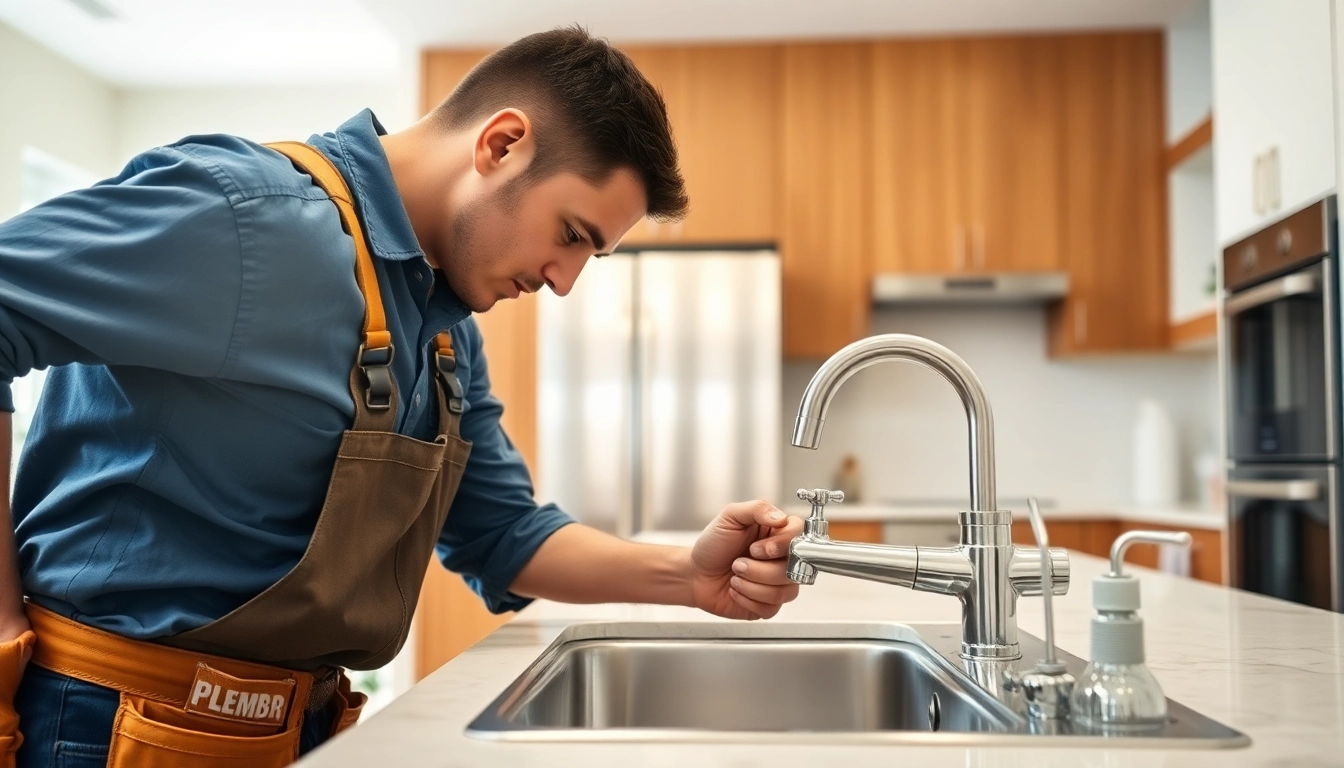
Understanding the Role of a Plumber
When it comes to maintaining a comfortable and functional home, the expertise of a plumber is paramount. These professionals play a critical role in ensuring the plumbing systems in homes and commercial properties operate smoothly. Let’s delve deeper into their essential functions, the types of services they provide, and the importance of hiring qualified experts for your plumbing needs.
What Does a Plumber Do?
A plumber is responsible for installing, repairing, and maintaining plumbing systems that supply water and gas to buildings and remove waste. Their work typically includes tasks such as:
- Installation: Plumbers install and connect pipes, fixtures, and appliances such as sinks, toilets, and water heaters.
- Repair: They identify issues such as leaks, clogs, and broken fixtures and employ the necessary techniques to resolve them.
- Maintenance: Regular maintenance services include inspection and testing of plumbing systems to prevent issues from arising.
- Emergency Services: Plumbers are often on call to address urgent issues, such as a burst pipe or significant leaks that could damage property.
Types of Plumbing Services Offered
Plumbing services can be categorized into several key areas:
- Residential Plumbing: This involves installation and repair services primarily in homes, including bathrooms, kitchens, and outdoor plumbing systems.
- Commercial Plumbing: This includes plumbing services for businesses, which often involve larger, more complex systems due to increased demand.
- Emergency Plumbing: Plumbers offer emergency services for urgent cases, ensuring prompt solutions to critical problems that require immediate attention.
- Drain Cleaning: This service is focused on removing blockages from drains to ensure smooth waste disposal.
Importance of Hiring a Licensed Plumber
While some plumbing issues can be addressed by homeowners, hiring a licensed plumber is crucial for several reasons:
- Expertise and Training: Licensed plumbers have gone through extensive training and possess the necessary skills to manage complex plumbing issues.
- Safety: A licensed plumber ensures the safety of your home by adhering to local codes and regulations, minimizing the risk of accidents or future problems.
- Cost-Effective: Although it may seem cheaper to handle plumbing issues yourself, hiring a professional can prevent costly mistakes that arise from improper repairs.
Common Plumbing Problems
Understanding common plumbing problems can empower homeowners to take preventive measures and address issues more effectively when they arise. Knowing when to call a plumber can save time, money, and frustration.
Identifying Leaks in Your Home
Leaks can be elusive and cause significant damage over time if not addressed promptly. Common signs of leaks include:
- Water stains: Look for brown or yellow stains on walls and ceilings, indicating potential leaks behind those surfaces.
- Mold growth: Excess moisture from leaks can lead to mold, which poses health risks.
- Increased water bills: A sudden spike in your water bill may signal a hidden leak somewhere in your plumbing.
If encountering any of these signs, contacting a plumber for an inspection is advisable.
Clogged Drains: Causes and Solutions
Clogged drains are a common nuisance that can disrupt daily activities. Common causes include:
- Food debris: Improper disposal of food scraps can lead to buildup in kitchen drains.
- Hair: Bathrooms can frequently become clogged due to hair accumulation in drains.
- Foreign objects: Toys or other items accidentally flushed down the toilet can cause significant blockages.
To resolve mild clogs, homeowners can try using a plunger or a drain snake. However, persistent issues warrant the attention of a plumber to avoid further damage.
Issues with Water Pressure
Low water pressure can stem from various factors, including:
- Pipe corrosion: Older pipes may corrode over time, limiting water flow.
- Leaky pipes: Similar to leaks, ongoing leaks can lead to reduced water pressure.
- Clogged fixtures: Faucet aerators and showerheads can accumulate sediment and mineral buildup, affecting water flow.
If experiencing issues with water pressure, a plumber can diagnose the underlying cause and recommend appropriate fixes.
Maintenance Tips to Avoid Plumbing Issues
Regular maintenance can save homeowners from costly repairs down the line. Implementing a proactive approach can significantly extend the lifespan of plumbing systems.
Regular Inspection and Upkeep
Scheduling periodic inspections with a plumber can catch potential issues before they escalate. During these visits, plumbers typically check for:
- Leaking pipes
- Water heater conditions
- Drainage efficiency
- Fixture integrity
Routine maintenance can help ensure everything remains in optimal condition.
Proper Drain Usage
Understanding proper usage of drains can prevent blockages and backups:
- Kitchen sinks: Avoid pouring grease or large food particles down the drain.
- Bathroom drains: Use drain covers to catch hair and debris before they enter the plumbing system.
Practicing proper drain usage can significantly reduce the likelihood of clogs.
Preventive Measures for Pipes
Taking steps to protect pipes is vital, especially during extreme weather:
- Insulation: Insulate pipes in unheated areas to prevent freezing in cold weather.
- Temperature control: Keeping your home heated during winter months can prevent frozen pipes.
- Regular checks: Inspect pipes for wear and tear, especially those that are exposed to unpredictable weather.
Investing in preventive measures can save homeowners from plumbing emergencies.
Emergency Plumbing Situations
Understanding what constitutes a plumbing emergency can help homeowners respond quickly when they encounter serious issues.
What Constitutes a Plumbing Emergency?
Not all plumbing issues are emergencies. Key indicators of a plumbing emergency include:
- Significant leaks or flooding
- Broken pipes that can cause substantial water damage
- Blocked toilets that render them unusable
- Gas leaks requiring immediate attention
If unsure, it’s best to consult a plumber for advice.
How to Handle a Burst Pipe
A burst pipe can lead to flooding and extensive damage. Here’s how to handle it:
- Shut off the water: Locate your main water valve and turn it off to prevent further flooding.
- Call a plumber: Contact a licensed plumber immediately to assess and repair the damage.
- Document the damage: Take photos for insurance purposes before making any repairs.
Handling a burst pipe promptly can help mitigate damage to your property.
Emergency Contact Information for Plumbers
Having emergency plumbing contact information readily available is critical. Store the contact details of a reliable plumber in your phone or a visible place within your home. This ensures immediate assistance when an urgent plumbing issue arises.
When to DIY and When to Hire a Plumber
Understanding which plumbing tasks can be tackled independently and which require professional help is essential for homeowners.
Simple Fixes You Can Do Yourself
There are several minor plumbing tasks homeowners can safely tackle:
- Unclogging drains using a plunger or baking soda and vinegar.
- Replacing worn-out washers in faucets to stop dripping.
- Cleaning faucet aerators and showerheads to improve flow.
These small fixes can save time and money while ensuring plumbing efficiency.
Signs That You Need Professional Help
While many plumbing tasks are manageable, certain signs indicate the need for a plumber:
- Persistent leaks that do not resolve with quick fixes.
- Unusual odors which may suggest a sewer issue.
- Recurring clogs despite maintenance efforts.
If any significant plumbing problems arise, it’s best to consult a professional to avoid worsening the issue.
Finding the Right Plumber for the Job
Choosing the right plumber can significantly impact the quality of service:
- Check credentials: Ensure the plumber is licensed and insured.
- Read reviews: Look for testimonials and ratings from previous customers.
- Get estimates: Request quotes for larger jobs to compare costs among different plumbers.
Taking these steps can help you find a competent plumber for your specific needs.
FAQs About Plumbing
1. What should I do if I have a plumbing emergency?
Turn off the water supply immediately and call a licensed plumber who can handle emergencies professionally.
2. How often should I have my plumbing inspected?
It’s advisable to have plumbing systems inspected at least once a year for preventive maintenance.
3. Can I prevent clogs in my drains?
Yes, using drain covers and being mindful of what goes down the sink can prevent clogs.
4. Is it worth hiring a licensed plumber?
Yes, licensed plumbers ensure quality work, safety, and compliance with regulations, reducing long-term costs.
5. How can I tell if I have a leak in my home?
Common signs include wet spots, mold growth, and higher-than-usual water bills, indicating possible leaks.